Heat pressing is a popular method for customizing various types of apparel and fabric. While heat presses can be used on a variety of materials, heat pressing polyester poses unique challenges due to its sensitive nature. In this comprehensive guide, we will explore the essential factors to consider, including polyester heat press temperature settings, pressing time, and material compatibility. With the right precautions, you can successfully heat press polyester without causing any damage.
Table of Contents:
- Understanding Polyester and its Heat Sensitivity
- Choosing the Right Temperature for Heat Pressing Polyester
- Ideal Pressing Time for Polyester
- Material Compatibility: Polyester Blends and Spandex
- Tips for Successful Heat Pressing on Polyester
- FAQ: Sublimation and Troubleshooting
1. Understanding Polyester and its Heat Sensitivity:
- Synthetic Composition: Made from petroleum-based polymers, polyester has a specific melting point.
- Durability: Known for wrinkle resistance and quick-drying, perfect for sportswear.
- Thermal Sensitivity: Highly sensitive to high temperatures; melting or scorching can occur when exposed to excessive heat.
2. Choosing the Right Temperature for Heat Pressing Polyester:
- Lower temperature settings are crucial for preventing “press marks” or scorching.
- Ideal temperature range: 270°F to 300°F (132°C to 149°C).
- Temperatures above 320°F (160°C) are the “danger zone” and can cause fabric melting.
- Pro Tip: Always test on a small fabric scrap before the final production.
3. Ideal Pressing Time for Polyester:
- Pressing time varies based on the specific garment weight and type.
- Shorter pressing times are recommended to avoid overheating synthetic fibers.
- Generally, 10 to 15 seconds is sufficient for most polyester fabrics.
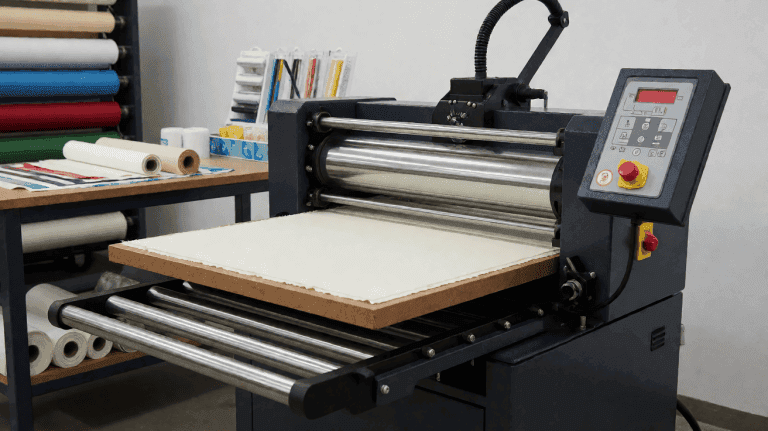
- For high-volume production, using a rotary Calendar Press Machine ensures uniform heat distribution and prevents scorched edges.
4. Material Compatibility: Polyester Blends and Heat Pressing:
- Polyester Blends: Often require slightly different settings (e.g., Poly-Cotton can handle slightly more heat).
- Polyester-Spandex: Extremely sensitive; requires low heat to maintain elasticity.
- Consult manufacturer guidelines and always perform a test press to ensure compatibility.
5. Tips for Successful Heat Pressing on Polyester:
- Use a Teflon Sheet: Protects the fabric surface and distributes heat evenly.
- Heat Press Pillows: Essential for thick seams or zippers to maintain even pressure.
- Pre-press: Press for 3-5 seconds to remove moisture and wrinkles before applying designs.
- Monitor Settings: Closely watch your heat press for temperature fluctuations.
6. Frequently Asked Questions about Heat Pressing Polyester:
- Can I heat press sublimation on polyester? Yes! Polyester is the ideal fabric for dye sublimation. For professional results, a rotary heat press is recommended for vivid, long-lasting colors.
- How do I prevent scorch marks? Use lower temperatures, shorter dwell times, and a protective barrier like a Teflon sheet or Nomex felt.
Conclusion: Heat pressing polyester is a manageable task once you master the balance of temperature, time, and pressure. By following this guide, you can achieve professional-grade results on activewear and promotional apparel. For industrial efficiency, Easty provides the reliable heat transfer machinery needed to scale your production safely.