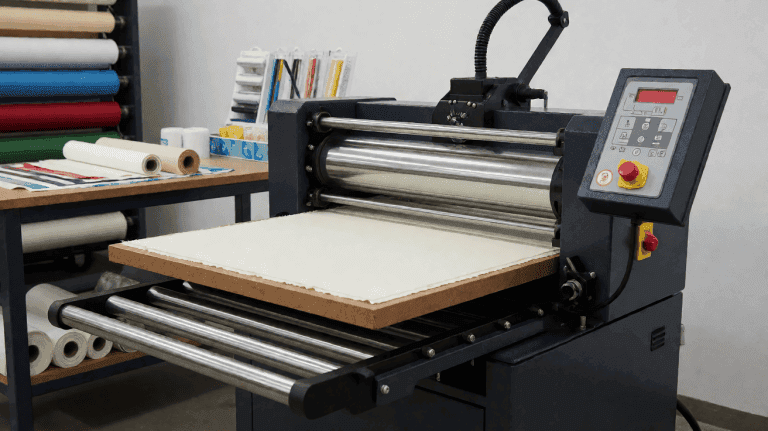

Title: Essential Maintenance Tips for Calendar Heat Press Nomex Blankets
In the world of heat transfer printing, the efficiency and longevity of equipment play a crucial role in ensuring high-quality production and optimal results. Among these critical components is the Nomex blanket, an integral part of calendar heat press machines. Designed to withstand high temperatures and heavy use, these blankets require regular care and maintenance to preserve their functionality and enhance their lifespan. This article aims to provide thorough maintenance tips specifically tailored for Nomex blankets used in calendar heat presses. By following these guidelines, operators can ensure consistent performance, prevent costly replacements, and maintain the quality of their printed products. Whether you are a seasoned professional or new to the heat transfer industry, understanding the best practices for caring for your Nomex blanket is essential for achieving outstanding results and maximizing your equipment investment.
Essential Cleaning Practices for Calendar Heat Press Nomex Blankets
Maintaining the integrity and performance of your Nomex blankets is crucial for ensuring top-quality results from your calendar heat press. regular and proper cleaning practices can extend the lifespan of these blankets and prevent any potential contamination that could affect heat distribution. Always allow your blankets to cool down entirely before cleaning; this step prevents any risk of burns and ensures that fibers remain intact. For basic cleaning, use a mild detergent mixed with warm water and a soft cloth. Avoid harsh chemicals and abrasive materials that can damage the Nomex fibers.
Additionally, it’s vital to regularly inspect your blankets for any signs of wear and tear. Pay particular attention to areas subjected to frequent contact with the press and heat. if you notice any fraying or discoloration, consider air drying your blankets after they have been washed, as this reduces the potential for shrinkage or further damage. For maximum longevity, store your blankets rolled up rather than folded to minimize creasing and stress on the fabric.
| Maintenance Tip | Description |
|---|---|
| Cool Down Before Cleaning | Wait until blankets are completely cooled to avoid burns. |
| Mild Detergent | Use a gentle cleanser to protect the fabric integrity. |
| Soft Cloth | Utilize non-abrasive materials to avoid damage. |
| Regular Inspections | Check for fraying and discoloration frequently. |
| Store Correctly | Roll instead of folding to reduce creasing. |
Inspecting for Wear and Tear: Ensuring Optimal Performance
Regular inspections of your Nomex blankets are essential to maintain their performance and longevity. Start by looking for any signs of wear and tear that might affect the heat transfer process. Common issues include frayed edges, punctures, or discoloration, wich can be indicative of deterioration. Addressing these issues early on will prevent further damage and ensure consistent quality in your heat pressing operations. It’s also critically important to check for uneven heating which can stem from wear on specific areas of the blanket. Detecting temperature inconsistencies can help you identify areas needing attention before they impact production quality.
During your inspection, it’s useful to establish a routine maintenance checklist to streamline the process. Consider including the following key points:
- Physical Condition: Examine for rips, tears, or wear on the outer surface.
- Heat Distribution: Assess for any hotspots or cold spots when operational.
- Cleanliness: Ensure the blanket is free from chemicals and residues that could affect performance.
- Alignment: Verify that the blanket is properly aligned on the heat press machine.
To help visualize the importance of regular maintenance, here is a simple table illustrating the potential risks of neglecting inspections:
| Risk | Consequence |
|---|---|
| Fraying Edges | Increased risk of contamination and subpar prints |
| Punctures | Heat and pressure loss leading to inconsistent results |
| Discoloration | Potential transfer of unwanted colors onto substrates |
Maximizing Longevity Through Proper Usage Guidelines
To ensure the durability and peak performance of your calendar heat press Nomex blankets, proper handling and usage are key. Always follow manufacturer instructions regarding temperature settings and timings, as excessive heat can quickly degrade the material. It is crucial to use parchment paper or silicone sheets on top of the blanket when pressing, protecting it from direct contact with inks and chemicals that could lead to premature wear and tear. Regularly inspect the blankets for any signs of damage or wear, as early detection allows for quick action to prevent further deterioration.
Cleaning your Nomex blankets is equally vital for extending their life. After each use, it’s recommended to allow the blanket to cool before cleaning. Use a light brush or a soft cloth to remove any residue and avoid harsh chemical cleaners that may degrade the fabric. Store the blankets in a clean, dry area away from direct sunlight or extreme temperatures. Consider implementing a rotating usage schedule if multiple blankets are available; this method distributes wear evenly and provides each blanket with time to recover between uses. Regular maintenance and mindful usage will contribute considerably to the longevity of your heat press blankets.
Storage Solutions to Preserve the Quality of Nomex Blankets
To ensure the longevity and optimal performance of Nomex blankets, implementing appropriate storage solutions is critical. First, choose a cool and dry environment to avoid moisture and humidity, which can degrade the fabric over time.Ideally, store the blankets flat in a dedicated area, away from direct sunlight or heat sources. When not in use, use breathable storage bags or containers to provide protection against dust and potential damage while allowing air circulation.
When handling these blankets,always avoid folding them in ways that create permanent creases or stress points. instead, consider using hanging storage solutions to maintain their shape. If available space is limited,ensure that if they must be rolled,the diameter is large enough to prevent creasing.Moreover, regularly inspect the storage area for any signs of pests or environmental damage, keeping a checklist to maintain optimal conditions:
| Storage Tip | Description |
| Maintain Dryness | Use dehumidifiers in the storage area when necessary. |
| Temperature Control | keep the storage environment between 60°F and 80°F. |
| Use Breathable Covers | Avoid plastic that can trap moisture. |
| Regular Inspections | Check for pests or damage every few months. |
Key Takeaways
maintaining your calendar heat press Nomex blankets is essential for ensuring optimal performance and longevity. By adhering to the outlined maintenance tips—such as routine cleaning, proper storage techniques, and vigilant monitoring of wear and tear—you can significantly extend the life of your blankets while ensuring consistent and high-quality heat transfer results. Remember, investing a little time in care and maintenance can yield significant benefits in productivity and cost-effectiveness for your operations. With these practices in place, you can enhance the efficiency of your heat press system and maintain the impeccable standards your business strives for. For further data or specific guidance tailored to your equipment, do not hesitate to consult your manufacturer or industry professionals.your commitment to excellence in maintenance will reflect in the quality of your final products.