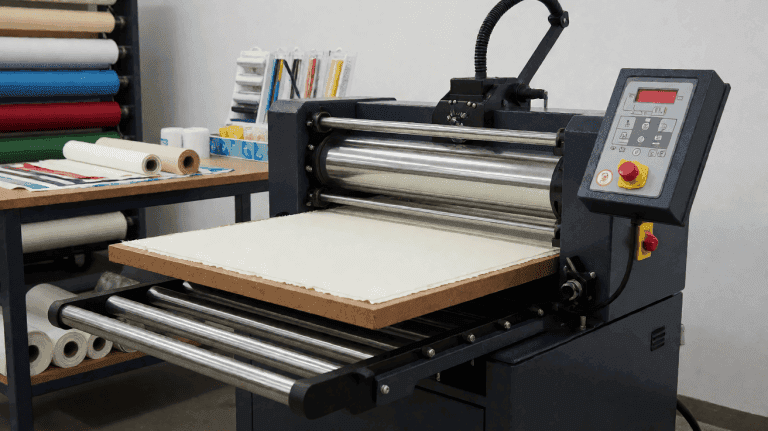
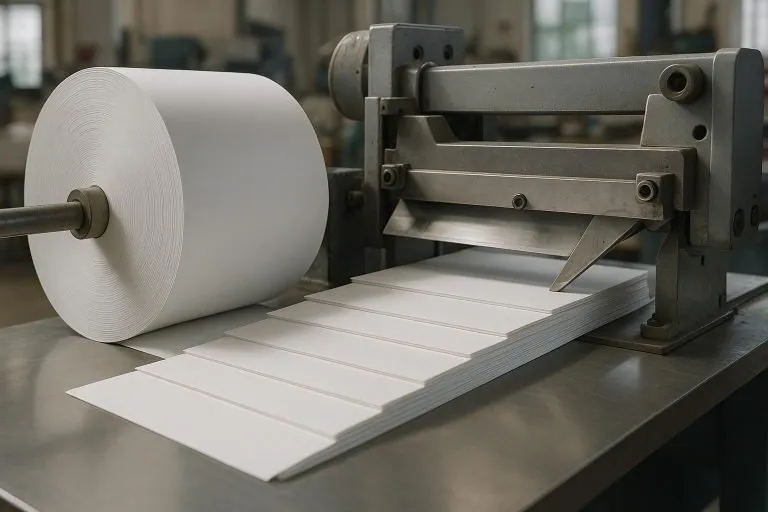
In today’s fast-paced manufacturing and packaging industries, achieving precise and efficient material cutting is paramount to maintaining product quality and operational profitability. The “roll to sheet cutter” has emerged as an essential solution,transforming continuous rolls of material-such as paper,film,fabric,or foil-into accurately sized individual sheets with speed and reliability. Whether you operate in printing, textiles, food packaging, or other sectors relying on sheet materials, understanding how to optimize the performance of roll to sheet cutters is critical. This article delves into the fundamentals of roll to sheet cutting technology, explores key factors that influence precision and efficiency, and provides best practices to help businesses streamline their cutting processes for superior results.
Understanding the Technology Behind Roll to Sheet Cutters
Modern roll to sheet cutter machines are engineered with a blend of advanced sensors,servo motors,and bright software controllers to deliver exacting cuts at high speeds. At the core of their operation is an automated feeding system that seamlessly unwinds rolls of material, ensuring smooth transport and alignment. Integrated optical and ultrasonic sensors continually monitor the material’s position for consistent,accurate feeding,while programmable logic controllers (PLCs) synchronize the cutting blades or lasers for swift,clean cuts.These technologies combine to minimize errors, reduce waste, and boost throughput, making them indispensable in industries requiring high volume, precision cutting such as packaging, printing, and textiles.
- Precision Cutting Blades: Driven by digitally controlled actuators for micron-level accuracy.
- Smart Sensors: Detect misalignment, material joints, or splices to prevent faults.
- User-Friendly Interfaces: Touchscreen panels allow operators to set cut lengths, batch sizes, and material types.
- Safety Enhancements: Emergency stops, guards, and optical barriers ensure operator protection.
| Component | Purpose | Benefit |
|---|---|---|
| Servo Motor | Controls blade speed & position | High accuracy |
| PLCs | Automates cutting sequence | Increased efficiency |
| Optical Sensor | Monitors material alignment | Reduces miscuts |
Key Factors Affecting Cutting Precision and Consistency
Achieving optimal results with a roll to sheet cutter relies heavily on a combination of machine capabilities, operator expertise, and the quality of raw materials. Material feed alignment, blade sharpness, and tension control play meaningful roles in determining how precise and uniform each sheet will be. Even slight deviations in these aspects can lead to miscuts or material waste. Regular maintenance, attention to environmental factors like humidity, and ensuring flatness of the roll also contribute to sustaining high accuracy over long production runs.
- Machine Calibration: Regular calibration of length sensors and cutting guides prevents drifting errors.
- Blade Condition: Dull blades increase the risk of jagged or uneven edges.
- Tension Settings: Correct tension ensures smooth feed and prevents material curl or skew.
- Material Quality: Uniform thickness and composition reduce cutting anomalies.
| Factor | Impact | Recommended Practice |
|---|---|---|
| Blade Sharpness | precision, Clean Edges | Inspect Blades Weekly |
| Feed Alignment | Consistent Accuracy | Use Guides & Sensors |
| Material Tension | Prevent Curl & Skew | Adjust Regularly |
Optimizing Operational workflow for Enhanced Efficiency
Integrating a high-performance roll to sheet cutter into your production line delivers tangible benefits for businesses aiming to streamline their processes.By focusing on seamless workflow integration,you can minimize downtime and bottlenecks that often hinder productivity. Key methods include automated material feeding, synchronizing cutter speeds with downstream processes, and deploying real-time performance monitoring systems. When operators leverage these solutions, they gain greater control and can swiftly adapt to varying job requirements, ultimately reducing waste and optimizing overall throughput.
- Automated alignment sensors eliminate manual recalibration.
- Preset cutting programs save time during job transitions.
- Integrated waste management simplifies disposal and enhances safety.
- Remote diagnostics enable proactive maintenance and minimize disruptions.
| Workflow Feature | Efficiency Gain | Operator impact |
|---|---|---|
| Automated Feeding | +25% Output | Less Manual Labour |
| Preset Programs | Faster Changeovers | reduced Training Time |
| Remote Diagnostics | Fewer unplanned Stops | streamlined Maintenance |
Best Practices for Maintenance and Troubleshooting
Ensuring your roll to sheet cutter delivers consistent, high-quality results requires strict adherence to routine maintenance and rapid troubleshooting. Implementing a proactive care schedule can help extend machine life, minimize downtime, and protect blade precision. Key activities to include are:
- Clean blade assemblies after every shift to prevent material buildup.
- Check blade sharpness regularly; dull blades cause inaccurate cuts.
- Inspect roller alignment and tension to guarantee even feeding of materials.
- Lubricate moving parts with manufacturer-approved oils to reduce mechanical wear.
- Replace worn or damaged parts promptly to avoid unexpected stoppages.
when the cutter displays issues such as uneven cuts or frequent jams, fast diagnosis is essential. Relying on a streamlined troubleshooting guide can pinpoint causes efficiently. Below is a sample reference table for common issues and solutions, designed to match modern .wp-block-table WordPress styles for clarity:
| Problem | Possible Cause | recommended Action |
|---|---|---|
| Jagged Edges | Blade is dull | Sharpen or replace blade |
| Material Jam | Roller misalignment | Realign rollers |
| Uneven Sheet Size | Incorrect settings | adjust cut parameters |
To Conclude
mastering the roll to sheet cutting process is essential for manufacturers and converters seeking both precision and efficiency in their operations. By selecting the appropriate equipment, optimizing material handling, and implementing rigorous quality controls, businesses can minimize waste, increase productivity, and deliver superior sheet products. As technology continues to advance in this sector, staying informed about the latest innovations and best practices ensures you remain competitive in an evolving marketplace. Ultimately, investing in the right roll to sheet cutter and refining your processes not only meets your production goals but also sets new standards for excellence in cutting performance.