
Introduction
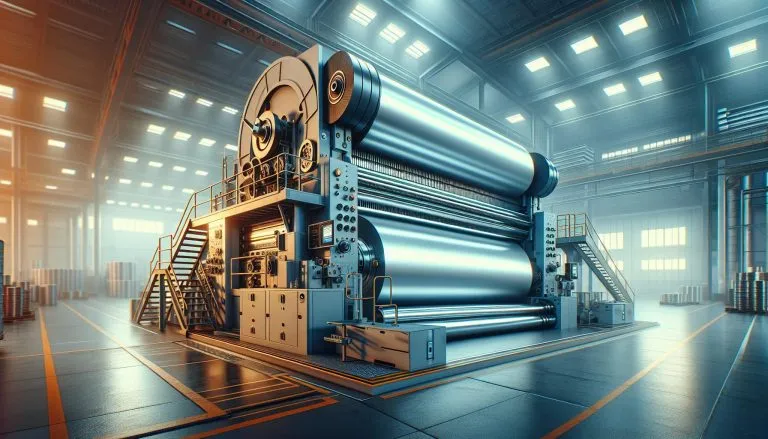
In the fast-paced world of manufacturing and converting, the efficiency and precision of your machinery can significantly influence output and product quality. Among these critical machines, the roll slitter stands out as an essential tool for cutting large rolls of material into manageable widths. Whether your working with paper,film,foil,or non-woven textiles,selecting the right roll slitter tailored to your specific needs is paramount. This complete guide aims to demystify the process of choosing a roll slitter, equipping you with the essential knowledge to make informed decisions. We will explore the key features, types, and capabilities of roll slitters, enabling you to assess which configuration best suits your production requirements. By the end of this article, you will have a clearer understanding of how to navigate the diverse options available in the market and identify the equipment that will help optimize your operational efficiency.
Understanding Roll slitter Types and Their Applications
Choosing the right type of roll slitter is essential for optimizing production efficiency and quality. Different slitter designs cater to varying materials and production requirements. Types of roll slitters include:
- Rotary Slitters: Ideal for high-speed cutting of thin materials such as films and foils, providing precision and minimal waste.
- Shear slitters: Best suited for thicker materials, these utilize blades that cut in a straight line, ensuring clean edges and reducing the risk of burrs.
- Score Slitters: utilize a scoring technique,making them perfect for cutting rigid materials,like cardboard and certain plastics.
- Laser Slitters: Employ laser technology for intricate cuts, often used in applications requiring high precision or specific patterns.
Each of these slitter types serves distinct functions across various industries. When selecting a slitter, consider the following:
- Material Type: Ensure the slitter is suitable for the kind of material you will be processing.
- Production Volume: Different machines are better equipped for high or low production rates.
- Cut quality: Determine the acceptable tolerances for your projects to choose a slitter that matches those standards.
| Slitter Type | Best For | Key Features |
|---|---|---|
| Rotary Slitter | Thin films and foils | High speed,minimal waste |
| Shear Slitter | Thicker materials | Clean cuts,reduces burrs |
| Score Slitter | Rigid materials | scoring technique |
| Laser Slitter | intricate patterns | High precision |
Key Factors to Consider When Selecting a Roll Slitter
When selecting a roll slitter,it’s crucial to consider several critical aspects that can significantly impact your production efficiency and product quality. First and foremost, evaluate the material types you will be processing. Different materials, such as paper, plastic, or non-woven fabric, may require specific setups or features to achieve optimal slitting results. Additionally, consider the slitting width and thickness specifications of your materials to ensure that the slitter can accommodate your production standards. Compatibility with various core sizes is another essential criterion, as it determines how the material will be fed into the machine.
Furthermore, durability and maintenance requirements should not be overlooked. A robust design often correlates with longevity and reduced downtime, which can enhance your overall productivity. The ease of blade changes is also a vital factor; look for slitting machines that minimize setup times and operational interruptions. Lastly, ensure that the slitter features advanced control systems for precision adjustments and speed regulation, enabling you to maintain high-quality standards across different production runs.
Comparative analysis of Leading Roll Slitter Brands
When considering the various brands in the roll slitter market, it is significant to analyze key differentiators that can impact your production efficiency and overall satisfaction. Several leading brands stand out for their precision engineering and innovation, including Brand A, Brand B, and Brand C. Each of these manufacturers offers unique features that cater to different operational requirements. As an example, Brand A is renowned for its advanced automated settings that reduce operator intervention, while brand B focuses on durability with heavy-duty components designed for high-volume production. In contrast, Brand C is celebrated for its compact design which is perfect for businesses with space constraints.
A comparative look at essential specifications can further guide your decision-making. The table below summarizes the core attributes of these brands to facilitate an informed choice:
| Brand | Key Features | Best For |
|---|---|---|
| Brand A |
|
Large-scale operations |
| Brand B |
|
Heavy usage environments |
| Brand C |
|
Small to medium-sized businesses |
By carefully examining these attributes and aligning them with your production goals, you can make a more informed comparison, ensuring that the roll slitter you select will meet your operational needs effectively and efficiently. Each brand has distinct advantages that can align differently depending on your specific production workflow and volume.
Maintenance and Optimization of Your Roll Slitter for Longevity
to ensure the longevity of your roll slitter, regular maintenance is crucial. This involves a systematic approach to inspect various components of the machine. Key maintenance tasks should include:
- Blade Inspection: Regularly check the blades for wear and tear, and replace them when necessary to maintain cutting efficiency.
- Cleaning: Keep the machine free from dust and debris, which can affect its performance.
- Alignment Checks: Ensure that all components are properly aligned to avoid unneeded strain and improve cutting accuracy.
- Lubrication: Apply lubricant to moving parts to reduce friction and wear.
Along with routine maintenance, consider optimization measures to enhance the operational efficiency of your roll slitter. Here are some strategies to implement:
- Speed Optimization: Adjust the slitting speed based on the material to prevent damage and improve quality.
- Material Compatibility: Utilize the right materials to match your slitting requirements, minimizing wear on the blades.
- Operator Training: invest in training programs for your operators to ensure they are familiar with best practices for operating and maintaining the slitter.
| Maintenance Task | Frequency | Notes |
|---|---|---|
| Blade Inspection | Weekly | Replace blades showing signs of wear. |
| Cleaning | Daily | Use a soft cloth to avoid scratching surfaces. |
| Alignment Checks | Monthly | Ensure all guides are level. |
| Lubrication | Weekly | Use recommended lubricants only. |
the Conclusion
selecting the right roll slitter is a critical decision that can significantly impact your operational efficiency and product quality. By understanding the various types of roll slitters, their features, and the specific needs of your production process, you can make an informed choice that aligns with your business objectives. Consider factors such as material types, production speed, and intended applications as you assess your options. Additionally,collaborating with industry experts and reputable manufacturers can provide valuable insights and ensure that you choose a machine that meets both your current needs and future growth.
Investing in the right roll slitter is not just about immediate cost savings; it’s about enhancing productivity, maximizing material usage, and maintaining a competitive edge in today’s market. By following the guidelines outlined in this comprehensive guide, you’ll be well-equipped to navigate the complexities of roll slitter selection and make a choice that propels your operations forward. Thank you for taking the time to explore this essential topic, and we wish you success in selecting the optimal roll slitter for your needs.
Más artículos
Ver todos →24 de septiembre de 2026
Pneumatic vs. Hydraulic Flat Heat Press: How to Choose for Heavy-Duty TransferPrinting
When choosing a large format heat press for industrial dye sublimation, temperature and pressing time are only part of the process. Consistent pressure is also important, especially when transferring onto sublimation-ready aluminum panels, MDF boards, rigid sheets, thick textiles, sportswear, and other demanding substrates. For high-volume production, two common industrial options are the pneumatic flat …
10 de septiembre de 2026
How to Choose a Heat Press Machine for Production
Selecting the right heat press for your facility depends on substrate type, volume, and workflow. This practical guide walks through machine classes, material matching, and key decision factors for textile and signage operators.
1 de agosto de 2025
How to Use the Easty EST2 Rotary Heat Press for Pro-Level Dye-Sublimation Printing
How to Use the Easty EST2 Rotary Heat Press ☀️ How to Use the Easty EST2 Rotary Heat Press 1. What Makes the Easty EST2 Rotary Heat Press Different? Oil-filled chrome drum keeps heat uniform within ±1 °C. Six internal heating elements speed up warm-up and maintain stable temperatures. Transfer speed up to 2 m/min …
Ready to spec your machine? Get a tailored quote within 1 business day.
Engineers — not chatbots — review every inquiry. Tell us your specs, application and destination, we'll handle the rest.