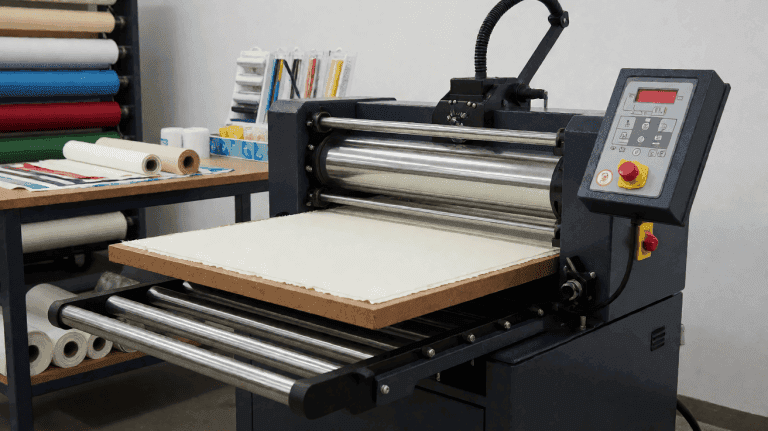

Polyester fabric has become a cornerstone of modern textiles, known for its durability, versatility, and cost-effectiveness. However, achieving vibrant, long-lasting prints on polyester surfaces can be a complex endeavor, requiring specialized techniques distinct from those used on natural fibers. As demand for high-quality, custom-printed polyester apparel and products grows, understanding the best practices for polyester printing is more essential than ever.This article delves into the leading methods and expert strategies for printing on polyester, guiding you toward professional results that stand the test of time—wash after wash, wear after wear. Whether you’re an industry veteran or new too textile printing, mastering these techniques will empower you to deliver exceptional quality and durability in every project.
Understanding the Unique Challenges of Printing on Polyester
Working with polyester fabrics presents a set of considerations that differ drastically from those encountered with cotton or natural fibers. Polyester’s synthetic composition results in a tightly woven structure with low absorbency, which makes standard water-based inks ineffective. Additionally, high heat can cause shrinkage or melting, meaning temperature control during printing is critical. These factors can lead to issues such as dye migration, where colors from the fabric move into the print, or poor ink adhesion, resulting in faded graphics after just a few washes.
To tackle these obstacles, print professionals employ specialized approaches, including:
- Low-cure inks to minimize heat exposure
- Polyester-specific pretreatments for optimal ink bonding
- Blocker bases that prevent dye migration and safeguard vibrancy
- Moisture-wicking compatibility for sports and performance wear
| Common Issue | Affect on Print | Prevention |
|---|---|---|
| Dye Migration | Color bleeding | Use blocker base |
| Poor Adhesion | Cracking & fading | Polyester pretreatment |
| Heat Damage | Shrinkage/Melting | Lower cure temps |
Choosing the Right ink and Pretreatment Solutions
Ink selection is a crucial factor in polyester printing, dictating everything from vibrancy to wash durability. For optimal results,prioritize dye-sublimation and dispersed inks—these not only penetrate polyester fibers for rich,enduring color but also enhance resistance to fading and cracking. When aiming for precise color accuracy, ensure your ink set matches the specific polyester variant you’re using. Consider inks formulated for low-energy sublimation processes if working with sensitive fabrics, as they require less heat and prevent polyester distortion.
Pretreatment is equally vital for ensuring ink adhesion and print clarity. Different pretreatment solutions are tailored for diverse polyester blends,so evaluate these aspects:
- Hydrophobic Ratings: Choose solutions that counteract polyester’s natural water resistance.
- Compatibility: Match pretreatment to the ink and printing method for the best bonding and color development.
- Submission Ease: Use sprays or roll-on products for efficient, uniform coating.
| type | Best For | Benefits |
|---|---|---|
| Dye-Sublimation Ink | 100% Polyester | Vivid colors, deep penetration |
| Dispersed Ink | Polyester Blends | Good adhesion, fast drying |
| Specialty pretreatments | High-Performance Wear | Enhanced durability, crisp lines |
Optimizing Printing Techniques for Superior Durability
Achieving exceptional durability in polyester printing demands a careful approach and the application of the right methods. Among the most reliable choices for resilient results are sublimation printing and screen printing with specialized inks. These techniques ensure high resistance to washing, abrasion, and fading. key process optimizations include precise temperature control, pre-treatment cleanliness, and the use of inks formulated explicitly for polyester’s unique fibers. Avoiding shortcuts in curing and drying times is essential, as these steps directly impact the fixture and longevity of the print.
For optimal outcomes, experts recommend focusing on the following crucial factors:
- Ink Compatibility: Always select inks designed for polyester, offering superior versatility and color retention.
- Proper Pre-Treatment: Remove oils and residues for better ink adhesion and uniformity.
- controlled Application: Monitor print pressure and temperature to avoid distortion and ensure crisp edges.
| Technique | Durability Level | Best For |
|---|---|---|
| Sublimation | Excellent | Sportswear,Flags |
| Screen Printing | High | T-Shirts,Bags |
| DTG on Polyester | Moderate | Custom Apparel |
Best Practices for Post-Printing Care and Longevity
To maximize both the vibrancy and durability of your polyester prints,it’s crucial to implement thoughtful aftercare routines. Allow prints to cool completely before handling to avoid smudging or damaging the design. Wash garments inside-out in cold water on a gentle cycle, using mild detergent and avoiding bleach. Steer clear of tumble drying—opt for air drying to maintain color integrity and prevent heat-induced distortion. If ironing is needed, always place a fabric barrier between the print and the iron or choose the reverse side.
Taking a few extra steps for storage and maintenance preserves your investment. Keep printed items away from direct sunlight to prevent fading,and hang them—or fold with the print facing inward—to avoid unwanted creasing.For business owners or those selling custom apparel,consider attaching care instruction tags. Below is a quick-reference table for recommended aftercare steps:
| Step | Best Practice |
|---|---|
| Washing | Inside-out, cold, gentle cycle |
| drying | air dry, avoid high heat |
| Ironing | Low heat, use fabric barrier |
| Storage | cool, dry place; avoid sunlight |
- Skip fabric softeners to retain print sharpness
- Avoid dry cleaning to prevent chemical damage
- Handle with clean hands to reduce oil transfer
Closing Remarks
achieving high-quality, long-lasting prints on polyester requires a thorough understanding of the fabric’s properties and the available printing techniques.Whether you choose dye sublimation,direct-to-fabric printing,or screen printing with specialty inks,each method has its distinct advantages and best-use scenarios.By selecting the appropriate technique and following best practices—including fabric planning and post-printing treatments—you can ensure vibrant colors, sharp details, and durability, even after repeated washing or extended use. As technology progresses, innovations in equipment and ink chemistry continue to expand the possibilities of polyester printing, empowering businesses to deliver superior products that meet the ever-evolving demands of today’s market.