Introduction to Applications of Roll to Sheet Cutting Machines
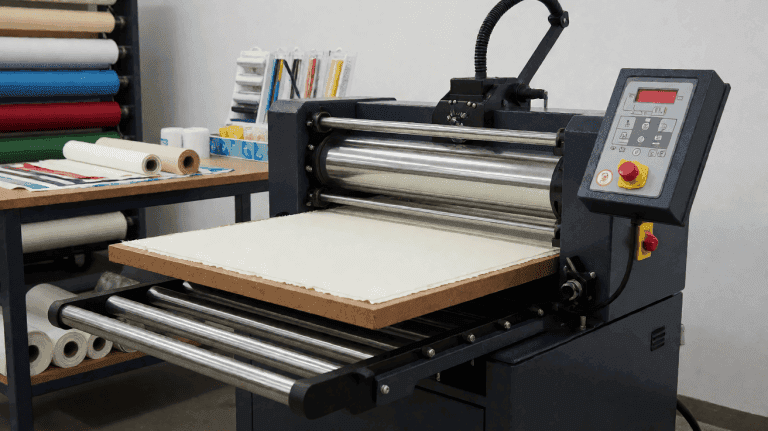
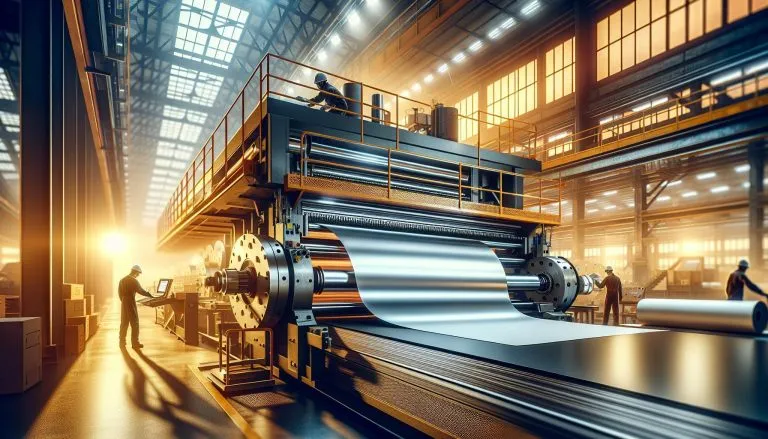
In the modern manufacturing landscape, precision and efficiency are paramount, especially in industries requiring high volumes of material processing. Among the array of machinery that support these demanding applications, roll to sheet cutting machines have emerged as a critical asset. These specialized devices facilitate the seamless conversion of large rolls of various materials—ranging from paper and plastic films to textiles and metal sheets—into smaller,manageable sheets with uniform dimensions. This article delves into the multifaceted applications of roll to sheet cutting machines, exploring their pivotal role across multiple sectors including packaging, automotive, and textiles. we will examine how these machines enhance operational workflows,boost productivity,and maintain quality standards,ultimately contributing to the broader goals of cost efficiency and sustainability in manufacturing. Through a extensive analysis, this article aims to shed light on the technological advancements and industry-specific implementations of roll to sheet cutting machines, underscoring their meaning in today’s competitive market.
Applications in the Manufacturing Sector: Enhancing Production Efficiency
In the fast-paced surroundings of the manufacturing sector,roll to sheet cutting machines have become a pivotal tool for enhancing production efficiency. By automating the cutting process, these machines substantially reduce labor costs and minimize waste, ensuring that every inch of material is utilized effectively. With the capability to handle various materials, including metals, plastics, and composites, they provide manufacturers with the versatility needed to adapt to different production demands.Moreover, the precision offered by these machines ensures consistent quality, which is vital in maintaining product standards and customer satisfaction.
Integrating roll to sheet cutting machines into manufacturing workflows can yield numerous operational advantages, including:
- Increased Throughput: High-speed cutting minimizes downtime, allowing for greater production volumes.
- Reduced Material Waste: Enhanced precision leads to less scrap and more efficient use of resources.
- Versatility: Ability to cut various materials and thicknesses caters to diverse manufacturing needs.
- Streamlined Operations: Automated processes reduce the need for manual interventions, leading to smoother production lines.
To illustrate the benefits, consider the following table showcasing the impact of roll to sheet cutting machines on a manufacturing line:
| Key Metric | Before implementation | After Implementation |
|---|---|---|
| Production Time Per Unit | 10 minutes | 6 minutes |
| Material waste | 15% | 5% |
| Cost Savings | $5000/month | $8000/month |
Ultimately, the deployment of roll to sheet cutting machines not only streamlines production processes but also aligns with the broader industry trend towards automation, making businesses more competitive in a rapidly evolving market.
Versatile Uses in the Textile Industry: Maximizing Material Utilization
Roll to sheet cutting machines serve as a pivotal asset in the textile industry, enhancing efficiency while maximizing material utilization. Through precise cutting capabilities, these machines significantly reduce fabric waste, allowing manufacturers to optimize their production processes. The versatility of roll to sheet cutters facilitates the handling of various materials, such as cotton, polyester, silk, and blends, making them indispensable for a wide range of applications, from fashion to interior design.
These machines are adept at producing uniform sheets that can be readily transformed into garments, upholstery, or other textile products. Key advantages include:
- Increased Speed: speedy cutting operations that enhance throughput.
- Reduced Labor Costs: Automation minimizes the need for manual intervention.
- Improved Precision: Ensures minimal deviation, leading to higher quality output.
- Adaptability: capable of adjusting to various widths and lengths, accommodating diverse production needs.
| Material Type | Usage | benefits |
|---|---|---|
| Cotton | Apparel, Home Textiles | Breathable and Agreeable |
| Polyester | Activewear, Upholstery | Durable and Easy to Care |
| Silk | Luxury Garments, Accessories | Soft and Lustrous |
The implementation of roll to sheet cutting machines not only streamlines processes but also cultivates a sustainable approach within the textile sector. By optimizing material consumption and reducing waste, manufacturers are poised not only to enhance profitability but also to contribute positively to environmental practices.
Impacts on the Packaging Sector: Streamlining Operations and Reducing Waste
The implementation of roll to sheet cutting machines significantly enhances operational efficiency within the packaging sector.By automating the cutting process, these machines allow manufacturers to optimize production lines and achieve higher output rates. The precision cutting reduces human error and minimizes the time spent on manual tasks, facilitating a smoother workflow. Key benefits include:
- Increased Productivity: Faster cutting speeds lead to quicker turnaround times.
- Cost Efficiency: Reduced labor costs due to automation and fewer errors in material use.
- Enhanced Flexibility: Easily adjustable settings accommodate varying sheet sizes and materials.
Moreover, the use of roll to sheet cutting machines contributes significantly to waste reduction, a growing concern in today’s eco-conscious market. These machines are designed to maximize material utilization, allowing for precise cuts that minimize offcuts and scraps. This not only conserves resources but also aligns with sustainability goals, making the packaging sector more environmentally amiable. Key aspects of waste reduction include:
- Material Savings: Higher yield from each roll reduces overall consumption.
- Recyclable Waste Management: Smaller offcuts can be easily repurposed or recycled.
- Lower environmental Impact: Decreased need for raw materials correlates with a smaller carbon footprint.
Innovative Technologies in Roll to sheet Cutting: Driving Precision and Quality
In the fast-evolving landscape of manufacturing, cutting-edge technologies play a pivotal role in enhancing the performance of roll to sheet cutting machines. Laser cutting, as a notable example, offers unparalleled precision due to its ability to focus high-energy beams on specific areas, allowing for intricate patterns and exact dimensions. High-speed blade cutting technologies have also emerged, significantly reducing the time required for processing while ensuring a smooth finish. these advancements not only increase productivity but also minimize material waste, contributing to a more sustainable manufacturing process.
Moreover,the integration of smart sensors and AI-driven software has revolutionized the quality assurance process in roll to sheet cutting operations. These systems monitor various parameters in real-time, ensuring that the cutting meets the specified standards throughout production. The use of automated nesting algorithms helps optimize the layout of cuts, leading to efficient use of material. Consider the following table highlighting the benefits of these innovative technologies:
| Technology | Benefits |
|---|---|
| Laser Cutting |
|
| High-Speed Blade Cutting |
|
| Smart Sensors & AI |
|
| Automated Nesting |
|
Closing Remarks
roll to sheet cutting machines stand at the forefront of modern manufacturing,providing an array of applications across diverse industries. From the textile sector to packaging and automotive industries, these machines enhance efficiency, precision, and productivity in operations involving large rolls of material. As technology continues to evolve, the capabilities and applications of roll to sheet cutting machines are expected to expand even further, integrating advanced automation and smart technologies that promise to streamline processes and reduce waste. For manufacturers looking to optimize their production lines,investing in cutting-edge roll to sheet cutting solutions will not only meet the demands of today’s marketplace but also pave the way for innovation and growth in the future.As we move forward,embracing these machines will be crucial for sustaining competitive advantage and driving operational excellence in an increasingly dynamic industrial landscape.